
utexas.edu
  • News
  • Events
  • Directory
  • Intranet
    • Alumni
    • Industry
    • K-12 Community
    • Visitors & Families
    • Employees (EID Login)
    • ChE Intranet
  • Give
Logo for the University of Texas at Austin McKetta Department of Chemical Engineering Cockrell School of Engineering
    • About Overview
    • Mission & Values
    • Facts & Rankings
    • Department History
    • Facilities
    • Broadening Participation in ChE
    • Accreditation
    • What is Chemical Engineering?
    • Academics Overview
    • Undergraduate
    • Graduate
    • Student Organizations
    • People Overview
    • Department Leadership
    • Faculty
    • Staff
    • Faculty Openings
    • Research Overview
    • Research Areas
    • Research Centers
    • Connect Overview
    • Alumni
    • Industry
    • Giving
    • Visit Us
    • Contact Us
    • Alumni
    • Industry
    • K-12 Community
    • Visitors & Families
    • Employees (EID Login)
    • ChE Intranet
  • News
  • Events
  • Directory
  • Intranet
  • Give
Search
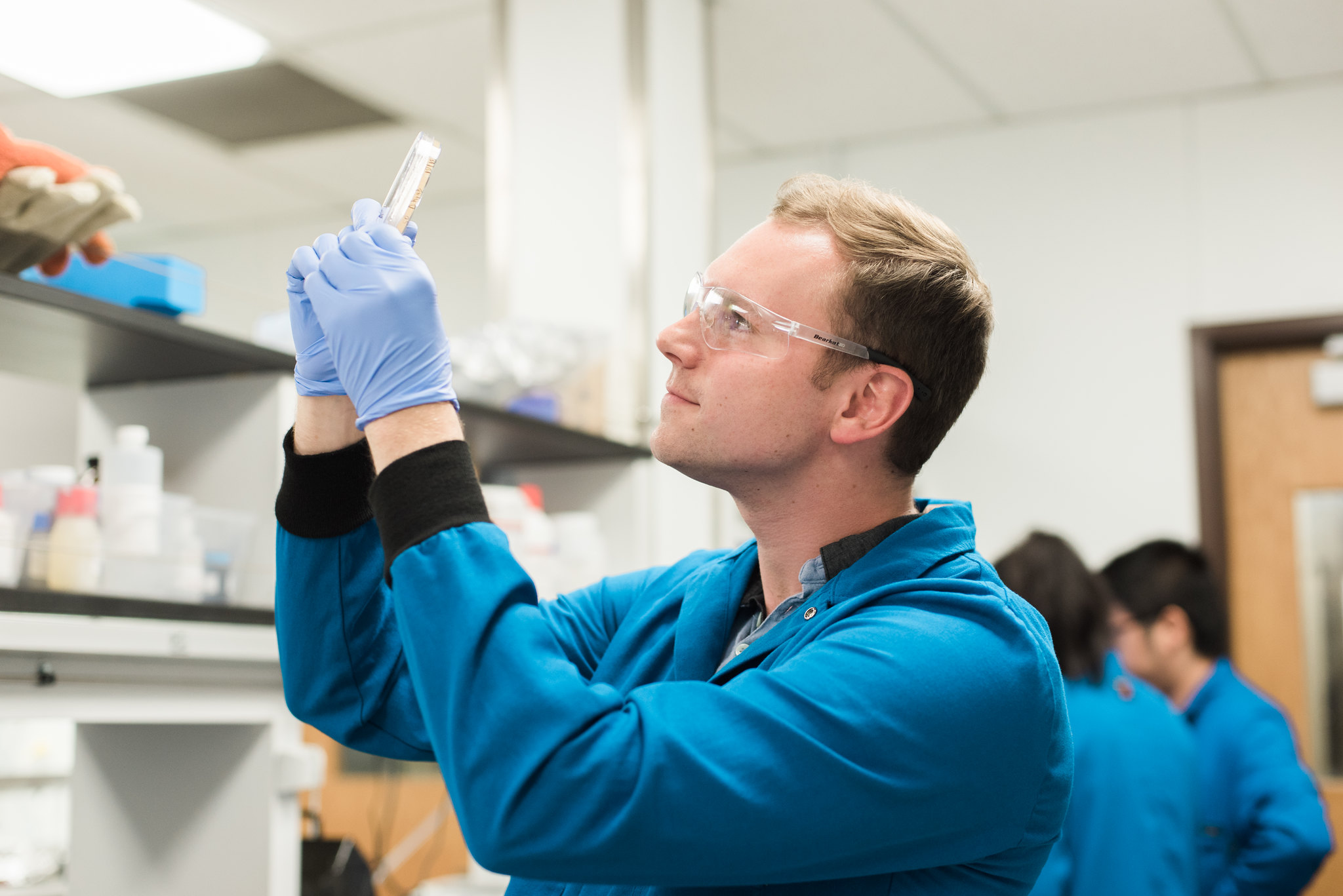
Texas chemical engineering researcher holding up test tube in lab

What is Chemical Engineering?

Chemical engineering uses mathematics, physics, chemistry and biology to develop chemical transformations and processes to create useful products and materials that improve society. It is one of the most broadly-based engineering disciplines, creating high demand for chemical engineers across a variety of industries and professions.


Chemical engineers devise ways to convert raw materials and intermediate chemicals into more useful forms. They develop processes and products that are energy efficient, environmentally friendly and profitable. Chemical engineers make petrochemicals, polymers, microelectronics, biomedical devices, paper, dyes, drugs, fertilizers and foods. Practically every product has been worked on or improved by chemical engineering in some way.

Chemical engineers work to solve major societal challenges in energy, human health, manufacturing and sustainability. They are employed in numerous roles and some examples include petrochemical, pharmaceutical, microelectronics, biomedical, environmental, green energy, financial and consulting industries. The breadth and depth of training in chemical engineering allows graduates to go on to graduate programs and careers in academia, national laboratories, medicine, business, law, entrepreneurship and more.

The versatility of chemical engineers allows them to make advances that enhance people’s everyday lives across all walks of life.

About
  • Mission and Values
  • Facts & Rankings
  • Department History
  • Facilities
  • Broadening Participation in ChE
  • Accreditation
  • What is Chemical Engineering?
University of Texas at Austin Cockrell school of Engineering formal logo
  • Privacy Policy
  • Web Accessibility
  • © The University of Texas at Austin 2026
Subscribe to our newsletter

more information

  • ENGR Direct
  • Canvas
  • UT Direct
  • Contact Us
  • Faculty Directory
  • Giving
  • UT Directory
  • ChE Intranet

Follow Texas CHE

  • Follow us on LinkedIn
  • Follow us on Instagram
  • Follow us on YouTube
  • Follow us on X
  • Follow us on Facebook